
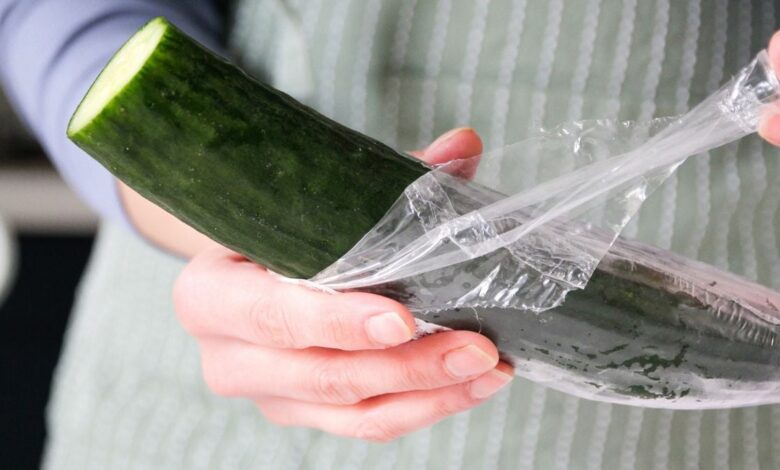
Plastic is nearly impossible to avoid in 2026, but a new study suggests that simple changes in how we shop and cook could reduce the levels of certain plastic-associated chemicals in our bodies. A randomized controlled trial involving 60 participants in Australia found that a week-long intervention—emphasizing food with minimal plastic contact and plastic-free kitchenware—led to urine levels of three plastic-related chemicals dropping by up to 60% compared to a control group.
The findings, published in Nature Medicine, offer a practical glimpse into how dietary choices might influence chemical exposure.
Study Design and Key Findings
Researchers from the University of Western Australia, led by clinical immunologist Michaela Lucas, designed a randomized trial to test whether eating foods processed, stored, and prepared without plastic could lower urinary levels of phthalates and bisphenols (including BPA and BPS). These chemicals are known to migrate into food from packaging, can linings, utensils, and even water pipes.
Participants were divided into five groups: a control group and four intervention groups. The interventions included:
- Eating food produced and packaged with minimal plastic contact
- Eating low-plastic food while avoiding plastic cooking equipment and utensils
- Using only low-plastic personal care products, such as shampoo
- A combination of all three interventions
After seven days, the group that adhered strictly to low-plastic food and used plastic-free kitchenware showed the most significant reductions. Specifically, mono-n-butyl phthalate levels dropped by 38%, monobenzyl phthalate by 54%, and bisphenol A by 60% compared to the control group.