
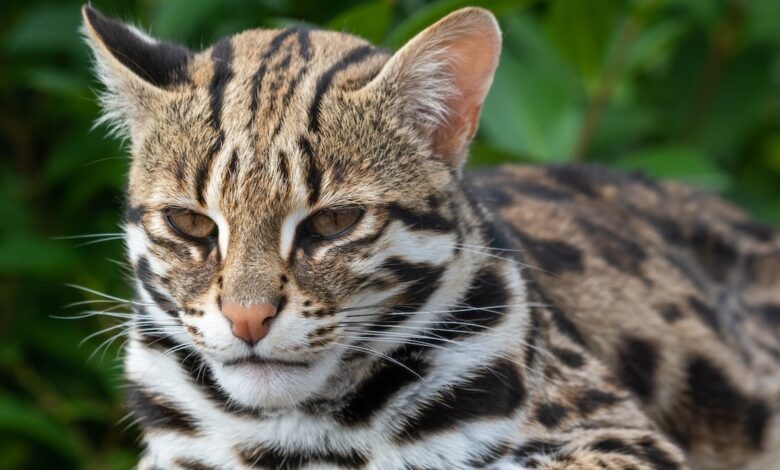
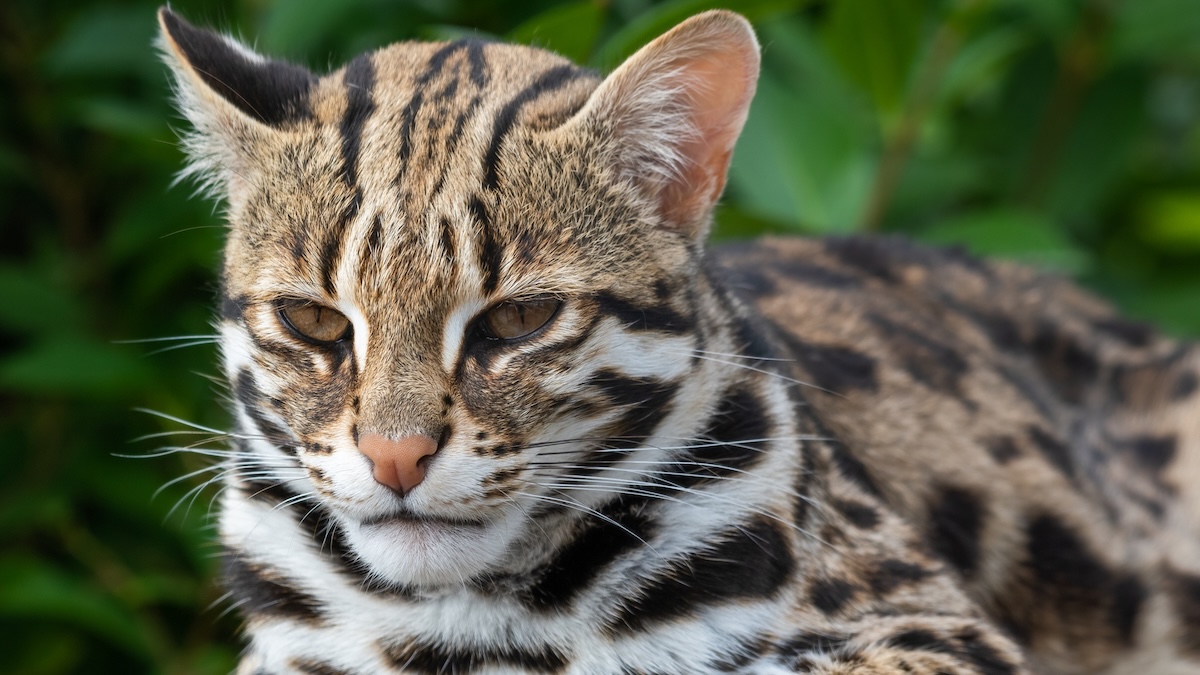
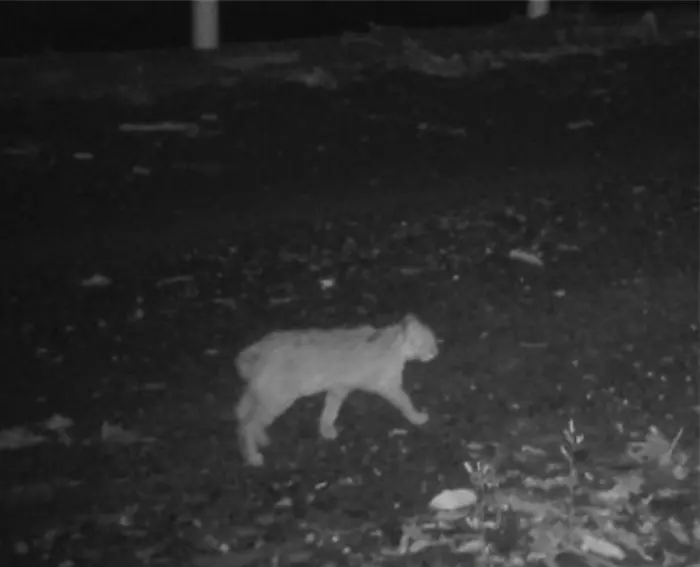
On a remote Japanese island, a critically endangered population of Tsushima leopard cats (Prionailurus bengalensis euptilurus) numbers only around 100 individuals. Recently, researchers observed a trait never before reported in this population or any other: three cats with tails roughly half the usual length. The discovery, made during field observations in 2024 and 2025, has sparked a genetic investigation into what might be driving the anomaly.
An Unexpected Discovery
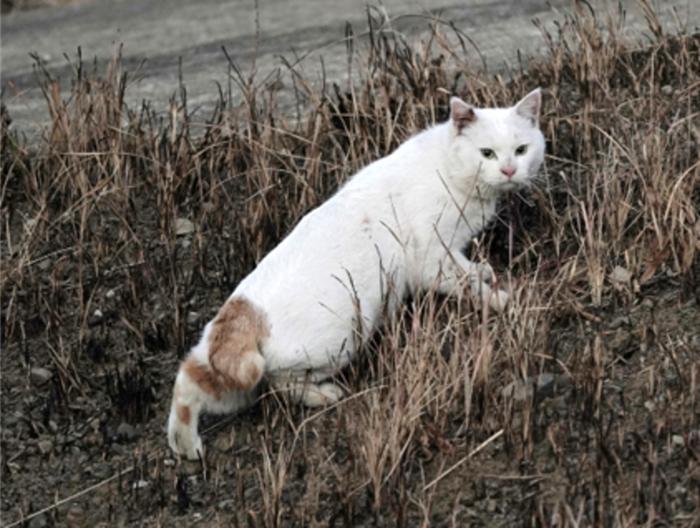
The short-tailed cats were spotted on Tsushima, where domestic cats (Felis catus) also live. Because short tails are common in domestic cats, the immediate concern was that the leopard cats had interbred with them. Such hybridization could threaten the genetic integrity of the already fragile population.
“The occurrence of tail abnormalities in multiple individuals makes independent acquired causes, such as traumatic injuries, a less parsimonious explanation for all cases and raises the possibility of a shared heritable or developmental basis,” the researchers write in a new study.
Genetic Testing for Hybrid Ancestry
To determine whether crossbreeding had occurred, scientists from several Japanese institutions sequenced the whole genome of one short-tailed leopard cat, nicknamed Shorty, and compared it with other groups. The comparison included five local domestic cats (three of which also had short tails), 15 other Tsushima leopard cats with typical tails, and four leopard cats from continental Asia.
The team focused on two genes linked to short tails in domestic cats, conducting comprehensive analyses to detect any recent domestic cat ancestry. “An unusual phenotype can immediately raise concerns about hybridization, but we wanted to determine objectively what the genome actually tells us before drawing conclusions from appearance alone,” says Yuki Matsumoto, an animal geneticist at Azabu University and first author of the study.
No Sign of Recent Crossbreeding
Surprisingly, the genetic tests found no evidence of recent hybridization in any of the leopard cats, including Shorty. In all analyses, Shorty fell within the genetic range of other leopard cats, not intermediate between leopard and domestic cats as would be expected for a hybrid.
While that may be reassuring, it deepens the mystery of why at least three leopard cats developed short tails in recent years. The team has not yet identified a cause.
Possible Explanations and Limitations

Inbreeding is known to cause tail abnormalities in other cat species and remains a possibility in such a small population. However, the genetic analysis showed that Shorty was not more inbred than other leopard cats studied. The researchers acknowledge that their methods might miss ancient or very low levels of crossbreeding. Other possibilities include a rare developmental issue or an injury, though no evidence of the latter was found during examination.
The team cautions that the sample size is tiny—only one short-tailed specimen was directly studied, and two others were seen only on camera traps. “It remains unclear whether these observations represent a single recurring phenotype or multiple forms of tail abnormality arising from different causes,” the researchers write. “Clarifying whether these phenotypes share a common heritable basis will require detailed phenotypic characterization and genetic sampling of additional short-tailed individuals.”
Implications for Conservation
Understanding the origin of these short tails could inform conservation efforts for the Tsushima leopard cat. The research was published in the journal Global Ecology and Conservation.