
A 35-year-old man in China who sought treatment for painful urination and blood in the urine was discovered to have a 36-millimeter sewing needle lodged in the left ventricle of his heart, according to a case report published in BMC Cardiovascular Disorders.
Despite the needle’s position, the man’s vital signs were within a healthy range when he arrived at the hospital. His cardiovascular system was still functioning, and he had no heart-related symptoms. The case was documented by doctors at Hunan Provincial People’s Hospital, with written informed consent from the patient’s father.
Imaging Reveals Multiple Metallic Objects
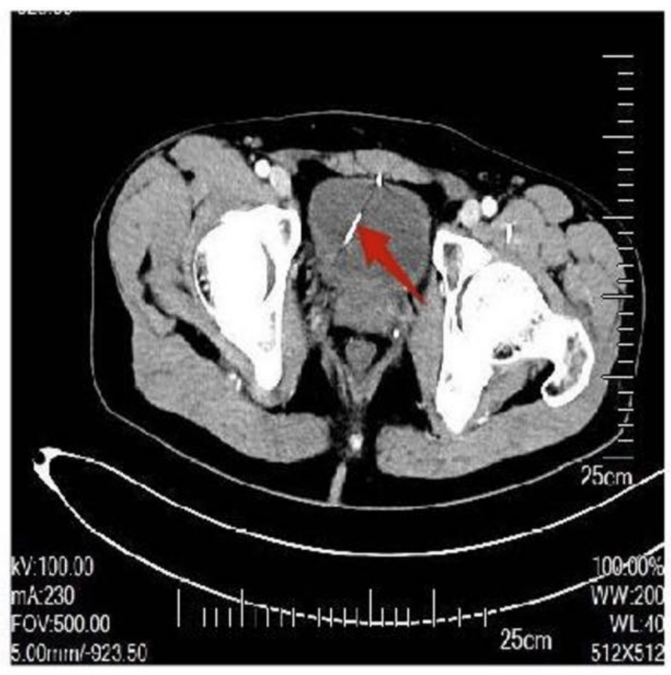
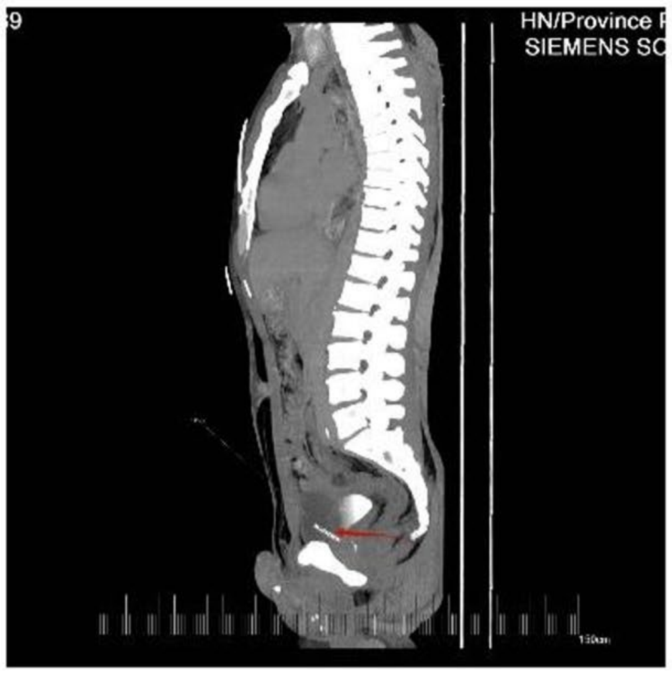
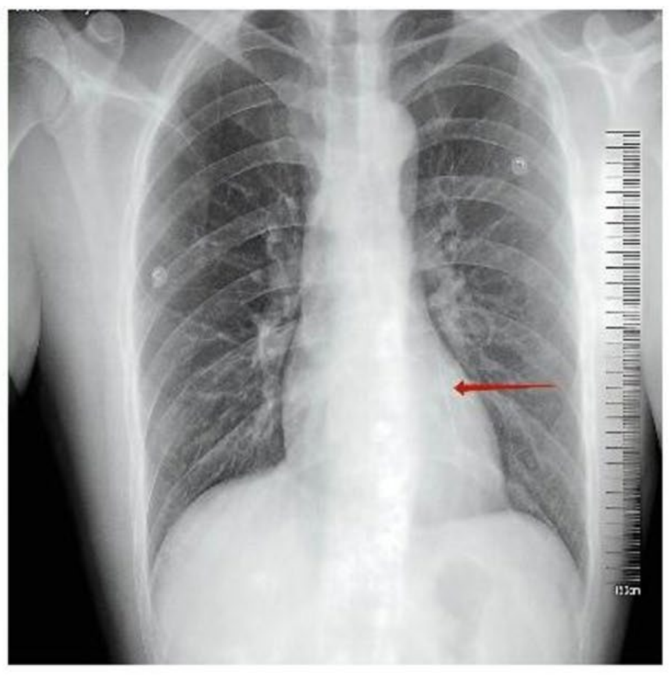
A chest X-ray first drew attention to a linear metallic high-density shadow projected over the precordial region. A subsequent CT scan of the chest, abdomen, and pelvis uncovered several metallic foreign bodies distributed throughout the patient’s body. These were located in the abdominal wall, pelvis, bladder wall and lumen, hip bone, hip muscle, and penis.
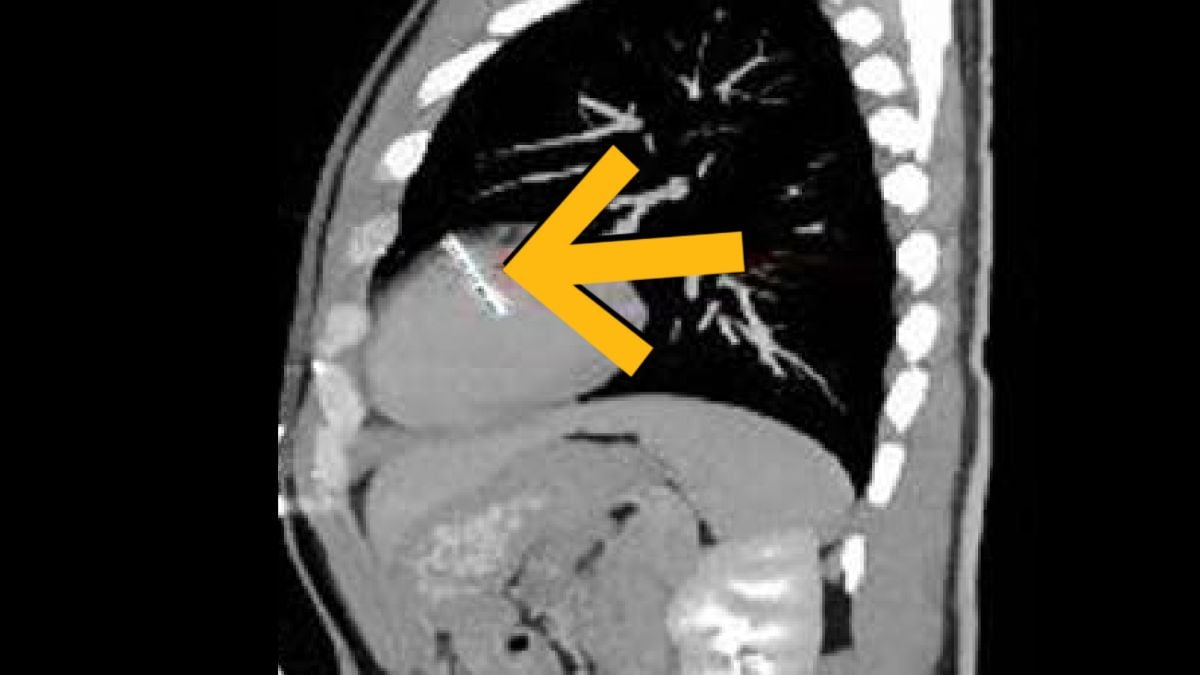
One needle stood out as particularly threatening. Measuring 36 mm (1.4 inches), it had punctured the fluid-filled sac around the heart, with its sharp tip extending deep into the left ventricular cavity. Transthoracic echocardiography confirmed a 36-mm linear hyperechoic structure within the left ventricle that moved in sync with the ventricular wall.
Surgical Removal and Findings
The needle in the heart required surgery. Doctors were concerned that the metal object could migrate, cause a rupture, or lead to infection. Upon closer inspection, the left ventricle was noticeably dilated and showed early signs of abnormality.
During the operation, the surgical team encountered an additional complication: needles penetrating the bladder wall had visible stone-like encrustations on their surfaces. Fearing the risk of intractable hemorrhage and urinary leakage, the team prioritized removing the cardiac needle first. The bladder needles were removed at a later date.
The patient recovered well after surgery.
Unclear Origins and Prior History
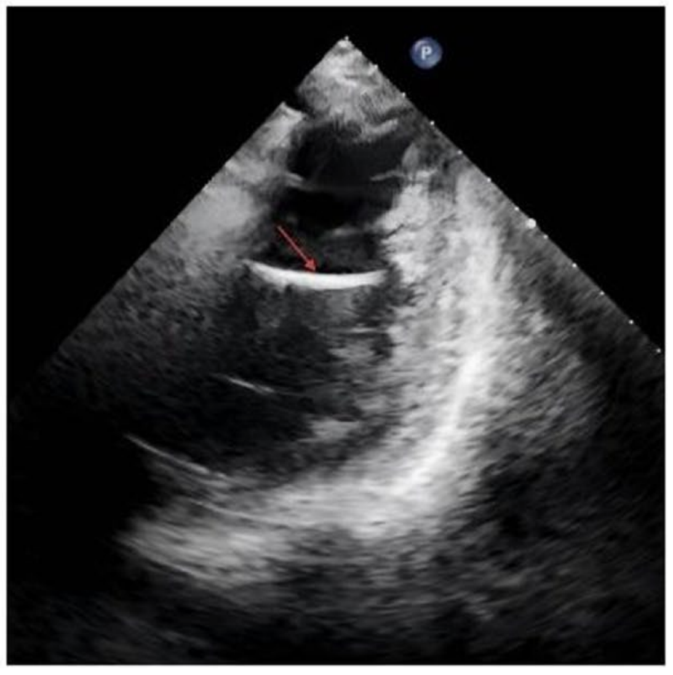
How the needles entered the man’s body remains unknown. The doctors noted that neither the patient nor his family could clarify their origin. It is possible they were self-inflicted.
The deliberate insertion of foreign objects into the body is an extreme form of self-injury sometimes called self-embedding behavior. It can be associated with psychiatric conditions such as schizophrenia or mental health disorders like depression. The patient’s history suggests he may have engaged in such behavior before: two years earlier, he had two needle-like objects removed from his abdomen. However, his recent doctors did not have access to those past medical records, and it is unclear whether the earlier needles were inserted deliberately or accidentally.
Diagnostic Challenges
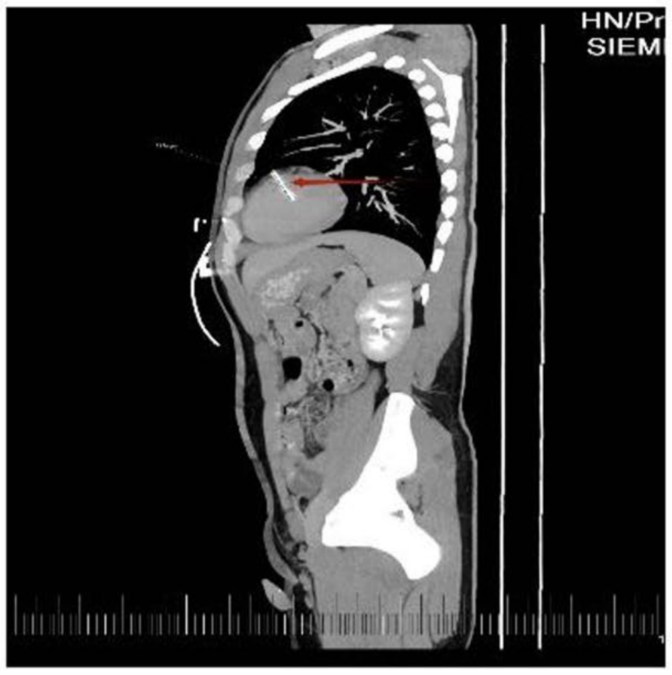
Because the patient had no heart-related symptoms, diagnosis was especially difficult. Doctors rarely look for self-embedding cases, particularly those involving the heart. A 2024 review found that since 1967, only 34 reported cases of needles being introduced into the heart as a form of self-injury exist.
A needle to the heart can be surprisingly hard to diagnose unless a patient reports it. The organ may continue beating without obvious symptoms for many months or even years. In 2010, for instance, a case study described a sewing needle found in the heart and extracted nearly two years after insertion; the patient only sought help after experiencing chest pain.
The doctors in China concluded: “Presumed self-insertion of cardiac foreign bodies in patients with cognitive impairment can be clinically occult, requiring a high index of clinical suspicion when a definitive history is difficult to obtain.”
Symptoms are not guaranteed. The study is published in BMC Cardiovascular Disorders.