
Implications and Uncertainties
Both phthalates and bisphenols have short half-lives, meaning they are rapidly cleared from the body. However, the long-term health effects of these chemicals remain unclear. While numerous epidemiological studies have linked these pollutants to conditions like cardiovascular disease, metabolic syndrome, and infertility, the current study does not establish direct health outcomes.
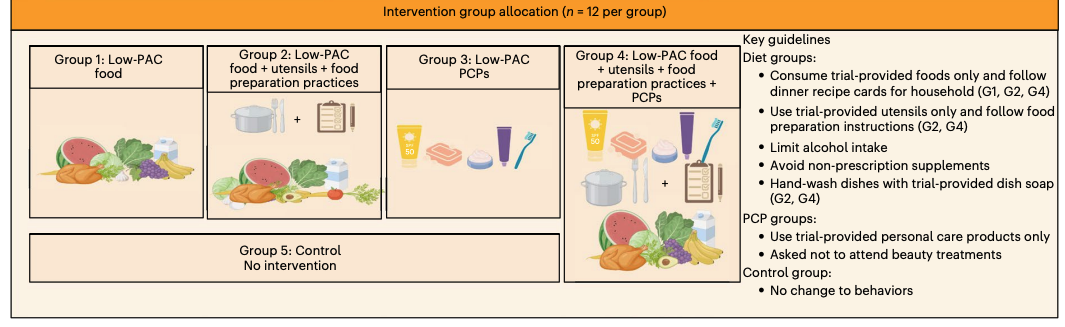
“Our results showed strictly adhering to a diet of food which has not touched plastic, whether that is during production or packaging, can reduce plastic chemicals in our body in as little as a week,” said Lucas. “If this also carries major health benefits is something that’s currently under further investigation.”
The researchers also highlighted that a “safe” level of plastic in the body is not yet known. If there is a health burden, it could accumulate over time unless exposure is reduced. Given that plastic production continues to rise, the findings offer a proactive approach for individuals.
“This trial has delivered a message of hope that we can actively reduce plastic chemical levels in our bodies but is linked to significant changes in the way we produce and package our food,” Lucas added.
The study provides evidence that dietary and kitchen habits can influence chemical exposure, but it also underscores the need for broader systemic changes in food production and packaging.