

A 30-year-old woman in Ethiopia developed an extraordinarily rare complication after giving birth: two sections of her intestines formed a literal knot. The case, detailed in a new case study, highlights a life-threatening emergency that required immediate surgery.
A Rapid Decline After a Normal Delivery
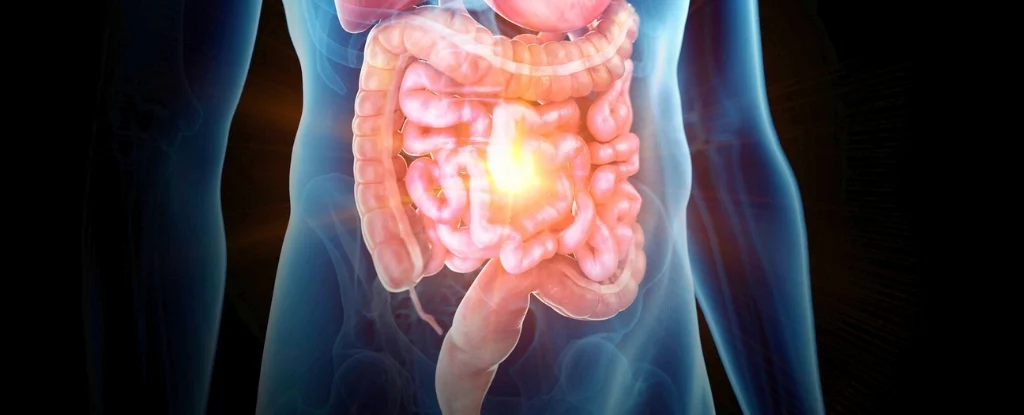
The woman had delivered a healthy baby boy in an uncomplicated vaginal birth. Over the next three days, her condition deteriorated steadily. She could not pass stool or gas. What began as mild abdominal cramps grew severe, her abdomen became increasingly swollen, and she vomited two or three times a day. The vomit later became bilious. Hoping the pain would resolve on its own, she waited.
By the time she reached the University of Gondar hospital on the third day after giving birth, she was critically ill. Her blood pressure could not be recorded, no peripheral pulse could be felt, and the pulse in her neck was 160 beats per minute. She was severely dehydrated.
Emergency Diagnosis and Stabilization

Doctors inserted two intravenous lines and gave her four liters of saline. Her blood pressure rose to 95/65 mmHg, while the pulse at her wrist fell to 112 beats per minute. An abdominal X-ray showed enlarged loops of bowel, but not what was blocking them. A CT scan might have provided the answer, but the hospital’s scanner was not working. With no time to wait, doctors took her into emergency surgery.
The Knot Revealed
The cause became clear only when surgeons opened her abdomen. One section of her small intestine had wrapped around the lower part of her large intestine, forming a tight knot. The knot had blocked her bowel and strangled its blood supply. The trapped section of her large intestine and about 60 centimeters (24 inches) of her small intestine had died. Surgeons also found about three liters of bloody fluid inside her abdomen.
This kind of knot forms when sections of the small and large intestines wind around one another. As it tightens, it can stop both the movement of intestinal contents and the flow of blood. Without blood, bowel tissue can die. Damage to the intestinal wall can then allow bacteria and harmful substances to spread through the body, potentially causing sepsis and circulatory collapse.
Surgical Treatment and Recovery
Surgeons removed the dead sections in one piece. They reconnected the remaining large intestine and temporarily redirected the end of the small intestine through an opening in the abdomen, allowing waste to collect in an external bag. Despite the severity of her condition, the woman survived and left the hospital six days later. She subsequently underwent another operation to close the temporary opening. Follow-up examinations found no complications.
Why Does This Happen?
Researchers think it usually requires a combination of anatomical features. In some people, the small intestine is unusually mobile. A longer supporting membrane, together with a long lower section of the large intestine attached at a narrow point, may give the bowel enough freedom to wrap around itself. Surgeons found these features in this patient.
Previous research has suggested that eating a large meal after a long period without food could trigger the movement that forms a knot. Heavier, food-filled sections may shift while emptier loops wind around the large intestine. The report does not identify a large meal as a trigger in this case.
The role of pregnancy and delivery is uncertain. Hormonal changes during pregnancy can slow intestinal movement and increase the tendency toward constipation. The woman reported no history of constipation or neurological or psychiatric disorders. The authors identified her immediate postpartum state and the high-fiber diet common in her region of northern Ethiopia as possible risk factors. However, one case cannot establish that childbirth or diet directly caused the knot.
How Rare Is This?
Theoretically, this could happen to someone else, but it is exceptionally rare. Around 80 percent of reported patients are male. The authors found only about 15 cases during pregnancy reported between 1967 and 2025, with even fewer described after childbirth. New mothers therefore do not need to fear that abdominal discomfort means their intestines are becoming knotted.
But worsening pain accompanied by abdominal swelling, repeated vomiting, and an inability to pass stool or gas should not be dismissed as routine postpartum constipation. Diagnosis can be difficult because the symptoms resemble other forms of bowel obstruction. A simpler twist in the large intestine can sometimes be relieved using a tube or scope inserted through the rectum. Trying that with an intestinal knot, however, could injure or perforate tissue already starved of blood.
Reported mortality rates range from 2 to 55 percent. Shock, delayed treatment, and extensive bowel death increase the danger. In this case, rapid fluid replacement, antibiotics, and emergency surgery helped save the woman’s life.
The case report was published in the World Journal of Obstetrics and Gynecology.