
Alzheimer’s disease is typically thought of as a condition confined to the brain, but a growing body of evidence indicates the is more complex. Some of the damage associated with the disease may actually originate outside the brain. A new study published in Nature Neuroscience suggests that an immune response from beyond the brain could end up attacking it, leading to the neurodegeneration seen in Alzheimer’s disease.
Immune Cells Implicated in Brain Damage
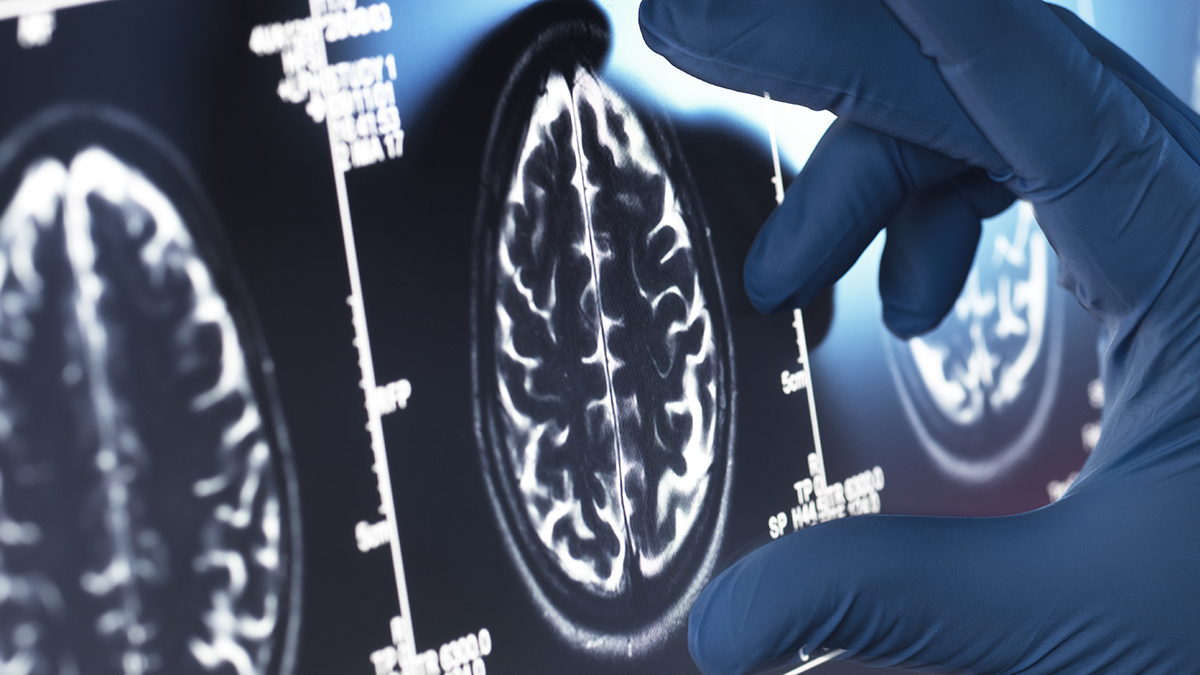
In earlier research by some of the same team, scientists found that immune cells called T cells were involved in this process. These cells were found in abundance in the brains of mice that also had high levels of tau, one of the two key proteins linked to Alzheimer’s disease. That study showed that when researchers eliminated or blocked the T cells in mice, neuronal damage was reduced, suggesting that manipulating these immune cells could be a new avenue for prospective treatments.
“Until not that long ago, most people, including myself, did not think that the immune response was even involved in neurodegenerative diseases that are due to protein accumulation in the brain,” says neurologist David Holtzman from Washington University in St. Louis, the senior author of both studies. “We’ve shown they’re important, and that they are a potential target for future therapy.”
What remained unclear from the earlier work was why these T cells were being activated in the first place, and how they were finding their way to the brain. The newly published findings offer some answers.
How T Cells Are Primed to Enter the Brain

In experiments with mice, the researchers found that a specific form of T cells called CD8+ T cells, which normally kill cancerous, harmful, or abnormal cells, can be directed to enter the brain due to interactions with cells called conventional type 1 dendritic cells (cDC1s). cDC1s act as sentinels in the immune system, identifying potential targets in the body based on molecular signatures and then signaling the detection to CD8+ T cells, which go in for the kill.
This identification process, called cross-presentation, basically primes CD8+ T cells to execute their immune function, but it also appears to contribute to neurodegeneration if the T cells find their way into the brain.
Reducing Neurodegeneration by Targeting cDC1 Cells

In mice engineered to develop tau pathology, experimentally eliminating the cDC1 sentinel cells – or disrupting their cross-presentation ability – appeared to substantially reduce signs of neurodegeneration and neuroinflammation compared to tau mice whose cDC1 functions were left unimpaired.
Experiments also showed that silencing cDC1 functions in mice substantially reduced the number of CD8+ T cells that ended up in the animals’ brains, suggesting the priming by cDC1 cells plays a crucial role in enabling CD8+ T cells to infiltrate the brain.
Interestingly, altering the mice’s cDC1 cells didn’t substantially change the amount of tau in the animals’ brains, suggesting that while the neurodegeneration is related to tau accumulation, the immune response itself may be the more important driver of brain damage.
Activation Occurs Outside the Brain
Another mystery was that cDC1s themselves were rarely detected in the brain, even in experiments showing severe degeneration, which led the researchers to hypothesize that the cDC1 signaling to CD8+ T cells had to be occurring outside the brain. A separate experiment appeared to confirm this, providing evidence that CD8+ T cells were activated in lymph nodes in the neck called deep cervical lymph nodes.
Recent evidence shows deep cervical lymph nodes could play a huge and overlooked role in neurological diseases like Alzheimer’s, if their function as a drainage for waste products from the brain falters.
We don’t fully understand what’s going on here, but Holtzman’s team has a theory that pulls many of the strands together. “We propose that tauopathy induces neuronal injury, resulting in the release of antigens that are captured by cDC1s to prime CD8+ T cells,” the researchers write in their paper. “These observations strongly suggest antigen presentation by cDC1s occurs predominantly outside the brain.”
In other words, the researchers suggest it’s possible that as tau accumulates in the brain, antigens are released, which could travel downstream, making their way to the deep cervical lymph nodes. There, the antigens trigger cDC1s, which alert CD8+ T cells that then make their way back upstream to the brain, ultimately causing neuroinflammation and neurodegeneration.
New Treatment Possibilities
Further research will be needed to confirm the hypothesis, but what’s exciting is that it opens the door to new kinds of treatment opportunities for Alzheimer’s and related conditions that haven’t been explored yet, targeting the brain’s lymphatic processes rather than the brain itself.
“One of the issues in developing treatments for neurological diseases is that you need to engineer your treatment so that it gets into the brain and past the blood-brain barrier, but we might not actually need to get the drugs into the central nervous system to mitigate neurodegeneration,” Holtzman says. “There are lots of ways to manipulate T cells that have been studied extensively and that are approved treatments for other diseases, but many haven’t yet been explored for neurodegenerative diseases.”
The findings are reported in Nature Neuroscience.