

For years, health experts have warned that too much sitting is harmful. But new research suggests that it’s not just the total hours spent seated that matter—it’s also how those hours are accumulated. A groundbreaking study published in PLOS Medicine reveals that the way we break up long periods of rest during the day could significantly influence our health, particularly our cancer risk.
Prolonged Sitting Linked to Higher Cancer Risk

The study, which analyzed data from over 91,000 participants in the UK Biobank project, found that each additional hour of prolonged sitting per day was associated with a 9% higher risk of dying from any cancer. It also linked each extra prolonged hour to a 3% increase in overall cancer incidence, with obesity-related and type 2 diabetes-related cancers each rising by 5%.
“What our data shows is that sitting for more than 30 minutes at a time is particularly linked to a higher risk of cancer,” says epidemiologist and senior author Frederick Ho from the University of Glasgow. “The good news is that breaking up your sitting time with something as simple as a short walk could be protective.”
Interrupted Sitting Shows Protective Effects
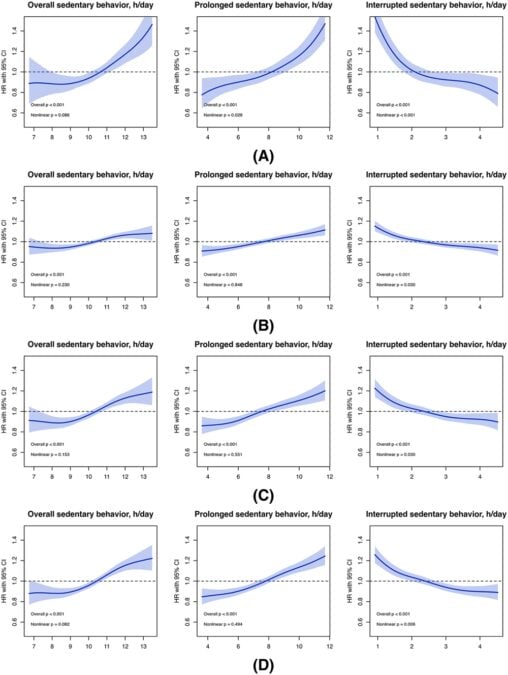
In contrast, the study found that interrupted sitting—periods of rest lasting less than 30 minutes or longer periods broken up by movement—was associated with better health outcomes. Each hour of interrupted sedentary behavior was linked to an 18% lower risk of dying from cancer and a 6% reduction in overall cancer incidence. Obesity-related and type 2 diabetes-related cancer risks dropped by 9% and 10%, respectively.
The researchers distinguished between two types of sedentary behavior: prolonged bouts (sitting for 30 minutes or more, with 90% of that time being sedentary) and interrupted periods (shorter stretches or longer ones broken by activity). The findings suggest that the health effects of sitting depend not only on total time but also on how that time is accumulated.
Why Breaking Up Sitting Matters

“This pattern is biologically plausible,” the researchers explain in their paper. “Experimental studies have shown that interrupting prolonged sitting with short bouts of activity can improve metabolic responses compared with uninterrupted sitting.”
The study followed participants—who had an average age of 56 and no prior cancer diagnosis—for about 12 years. Each wore a wrist accelerometer for seven days to track movement levels, which were classified as sedentary, light, moderate, or vigorous. The results held even after accounting for age, sex, ethnicity, socioeconomic status, education, and dietary and lifestyle factors.
Light Activity Can Offset Risks

The research also highlighted the importance of even light movement. Replacing just one hour of prolonged sitting per day with light physical activity was associated with a 12% reduced risk of cancer mortality and a 6% reduction in cancer incidence.
“Current health guidelines focus heavily on moderate or vigorous exercise, but our findings show that light movement shouldn’t be ignored,” Ho says.
Study Limitations and Context
Because this is an observational study, the findings can only show associations, not prove that changing sitting habits will directly reduce cancer risk. However, the results align with a growing body of research linking sedentary behavior to chronic inflammation and showing how physical activity may aid in cancer prevention.
The researchers note that this is the first study to demonstrate differential associations between interrupted and prolonged sedentary behavior and cancer outcomes. “Given the high prevalence of sedentary behavior, even modest associations could still have important public health implications,” they write.
The takeaway? Even small amounts of activity that break up long sitting sessions appear to be beneficial. So, whether it’s a short walk, stretching, or simply standing up regularly, these interruptions might be a simple yet powerful step toward better health.