

For years, men have been told that declining testosterone is an unavoidable consequence of getting older. But a new analysis suggests that where the body stores fat—specifically deep within the abdomen—may play a far more significant role than chronological age.
Deep Belly Fat Emerges as Key Factor

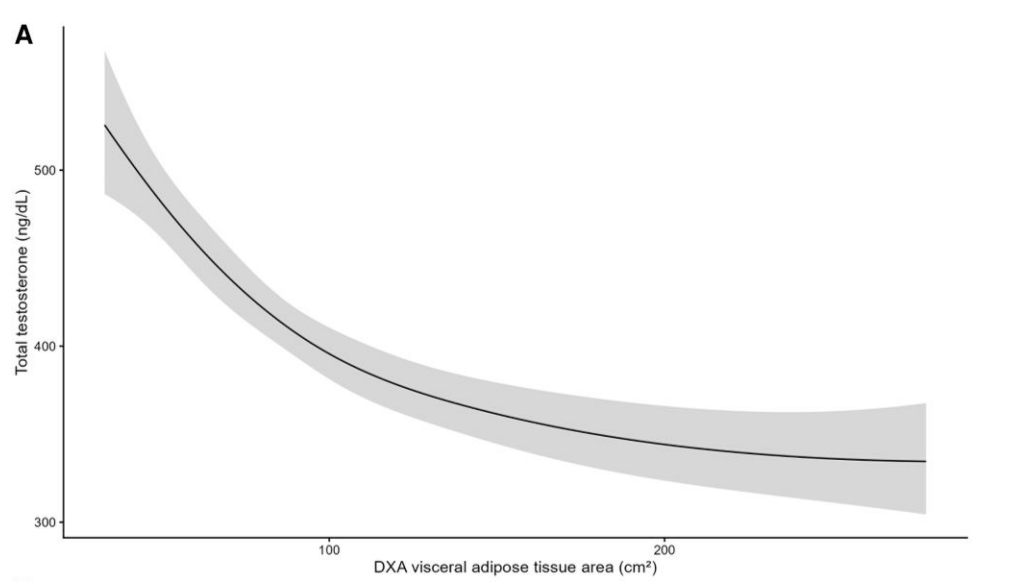
According to research published in the Journal of the Endocrine Society, visceral fat—the deep fat that wraps around vital organs like the liver, stomach, and intestines—may be the more precise metabolic determinant of testosterone suppression. This type of fatty tissue contains many receptors for testosterone, making it especially sensitive to the circulating hormone.
The review examined health data from nearly 5,000 US men aged 20 to 59. Researchers found that the presence of visceral fat was strongly associated with testosterone suppression. Within this age bracket, visceral fat appeared to influence testosterone concentrations significantly more than chronological aging. After accounting for fat distribution, age showed only modest associations.
The study’s authors, research physiologists Karl Friedl and Adam Potter of the US Army Research Institute of Environmental Medicine, concluded that deep belly fat should be considered the “primary adiposity correlate of low testosterone in US men.”
Previous Research Points to Fat Over Age
This isn’t the first time research has challenged the idea that aging inevitably lowers testosterone. A 2007 study of 1,667 men found that gaining 4 to 5 body mass index (BMI) points was linked to a decline in testosterone comparable to roughly 10 years of aging.
Similarly, a 2013 study that tracked 1,382 men over five years concluded that age-related declines in testosterone levels are “not inevitable.” Instead, the authors attributed these declines to smoking behavior and health status—particularly obesity and depression.
The Limitations of BMI and Waist Circumference
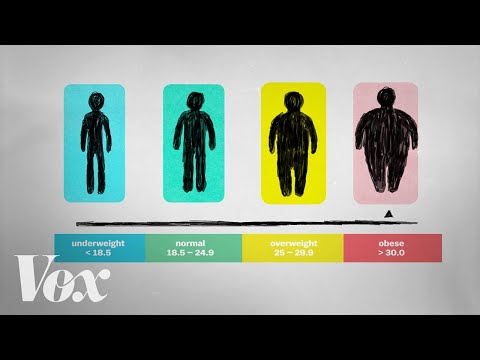
While BMI and waist circumference remain the most common measures of excess body weight, they are not necessarily the best indicators of cardiometabolic health. Men with similar BMIs and waist circumferences can still demonstrate substantially different levels of testosterone.
For example, a young man with a BMI in the healthy weight range might have a high percentage of hidden visceral fat that is impacting his testosterone levels. Conversely, an older, muscular man with lower visceral fat could be deemed at higher risk for testosterone issues simply because of his age and BMI score. In such cases, visceral fat levels may be the more important consideration.
Why Visceral Fat Affects Testosterone

The exact reasons why testosterone production is so closely linked to visceral fat remain unclear, but researchers have several theories. Deep abdominal fat can promote insulin resistance, which may in turn affect how certain cells in the testes convert cholesterol to testosterone. Visceral fat can also stimulate inflammatory pathways that could disrupt the body’s hormone signaling, increasing the conversion of testosterone to estradiol.
“Current guidelines appropriately recognize obesity as a risk factor for low testosterone, but our findings suggest that adipose distribution, particularly visceral adiposity, may provide additional information beyond total body mass alone,” Friedl and Potter explained.
Implications for Treatment
These findings suggest that interventions aimed at reducing visceral fat—including drugs like Ozempic or Wegovy—may address low testosterone more directly than testosterone replacement therapy alone.
“These observations underscore the importance of characterizing the underlying adiposity phenotype and considering reversible metabolic contributors before initiating testosterone therapy,” the study authors concluded.
The study is published in the Journal of the Endocrine Society.